October 11, 2026
Building Emotion Through Sound and AI
How two decades in tech, a layoff, two AI programs, and a folder of Apple Notes became a ten-track album about reinvention.
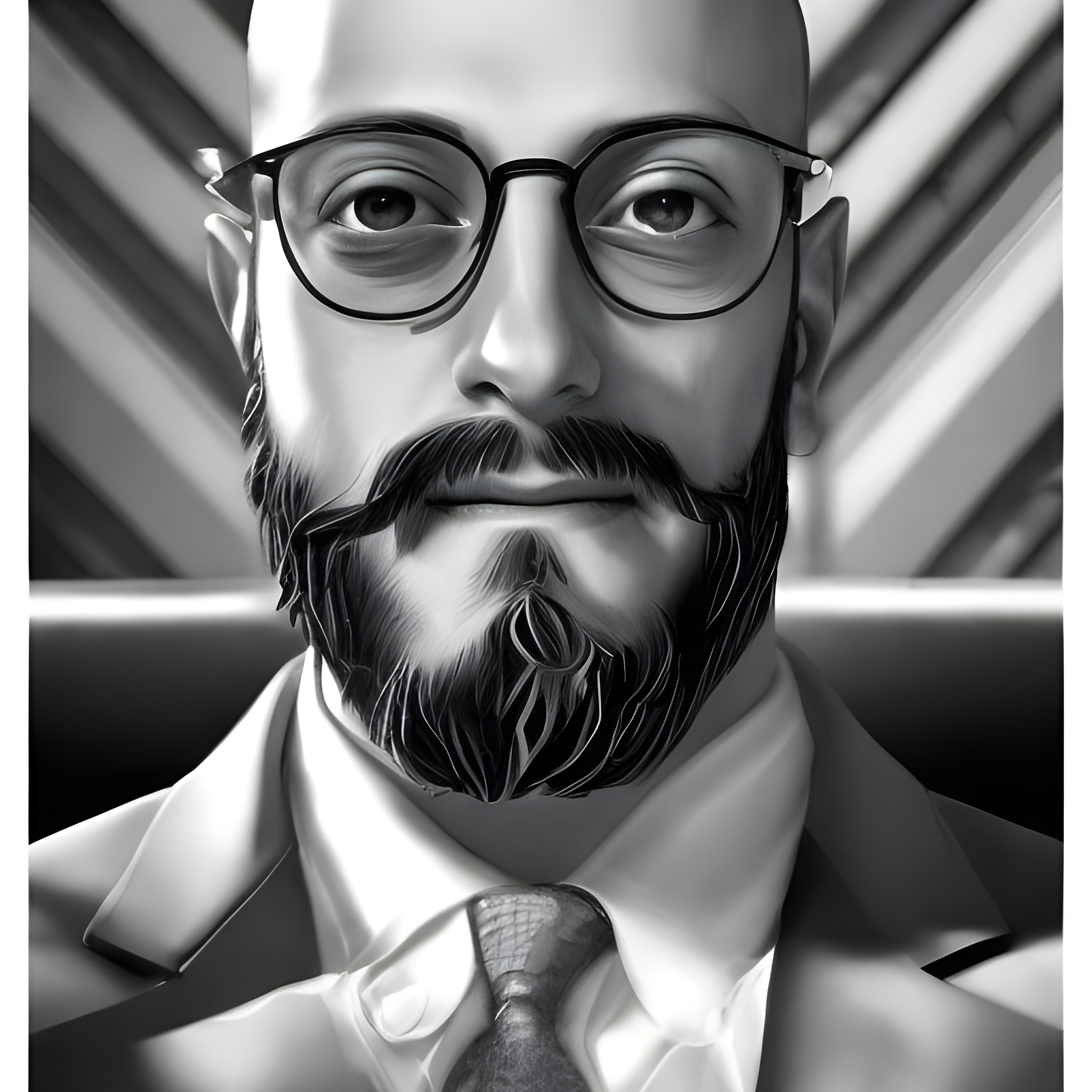
For most of my life, my identity was braided tightly with work. I spent nearly two decades in tech, building strategies, enabling partners, mentoring teams, and constantly preparing for the next wave of change. I loved the pace and the puzzles. But when the mass layoffs came, I suddenly faced a kind of silence I had not known before.
Financially, I was ready. Emotionally? I thought I was too. But what followed was a quiet storm, a disorienting mix of uncertainty, reflection, and reinvention. Losing a job is one thing; losing the version of yourself that lived through it is something else entirely.
So I did what I have always done: I started collecting data. Not spreadsheets, feelings. Notes in Apple Notes. Voice memos from long walks. Reflections from my wife and family. Stories shared by friends and former colleagues going through similar transitions. I did not realize it at the time, but I was gathering the raw material for something creative, emotional data waiting for translation.
Learning my way through chaos
When you have built a career around logic and systems, the natural response to chaos is to learn your way through it. That is what I did.
I enrolled in Stanford's AI-Driven Leadership program, then MIT xPRO's Driving Innovation with Generative AI. Somewhere between those exercises and the reflective assignments, I began using AI to explore something more personal: sound.
Music entered quietly. What began as creative exercises turned into late-night experiments with rhythm, tone, and texture. I started to notice parallels between what I was learning and what I was feeling: iteration, evaluation, transformation. The same mindset that once helped me optimize systems now helped me translate emotion into music.
From data to emotion
For years, I kept a database of personal notes, ideas, frustrations, private reflections, and fragments from conversations with friends and colleagues going through their own transitions. Later, I realized it was an archive of emotion.
Using AI, I built a retrieval system to surface themes and patterns in those notes. It helped me see the emotional architecture beneath the data: fear, detachment, relief, rediscovery. Those insights became lyrics and sonic cues. I worked only with my own archives and anonymized anecdotes. What mattered was the emotional texture, how technology could illuminate what I had felt but not yet articulated.
The workflow
The process settled into a loop I still use: start with the intention, the emotion, fragments of lyrics, a situation. Turn that into lyrics. Choose a style within the realm of techno. Record human inputs: MIDI keyboard, spoken phrases, found sounds. Feed it all to Suno with detailed instructions. Take the stems into Apple Logic Pro. Fine-tune with a subtractive pass first, muting what feels off, then an additive pass with my own recordings. Bounce the final song.
I call the pattern post-AI professionalization: generate fast, refine like a producer. I started small, layering sounds late at night, recording traffic hums, metallic clicks, the rhythm of typing, converting them into textures. When my skills could not keep up with the vision, I turned to AI tools for voice shaping, mixing, and ideation.
AI was not a shortcut. It was a collaborator. It held the technical scaffolding while I focused on storytelling and emotion.
The flow state
At some point, I crossed from curiosity into obsession. My wife and a close friend teased me about it more than once. When I fall in love with something, I tend to disappear into it. They call it my tunnel vision.
Once the first few tracks started to take shape, I entered a kind of builder's trance. Long nights blurred into mornings. I would replay a single segment for hours, adjusting one synth layer, one echo tail, one hi-hat until it felt right. That hyper-focus was not about perfectionism. It was about immersion.
Why it matters
AI is leveling the artistic field. When anyone can produce music with AI assistance, the question changes from who can create to who can create with meaning. Technology will democratize tools, but emotion, intention, and authenticity will remain the true differentiators.
System Restart is not about proving that AI can make music. It is about proving that AI can help humans rediscover themselves through creation. Behind every algorithm, every strategy deck, every spreadsheet, there is a person trying to make sense of change.
Data tells you what happened, but art helps you understand why it mattered.
Hear what came out of the process: https://open.spotify.com/album/08aQT6ff6LUyhXYfF5KaW1